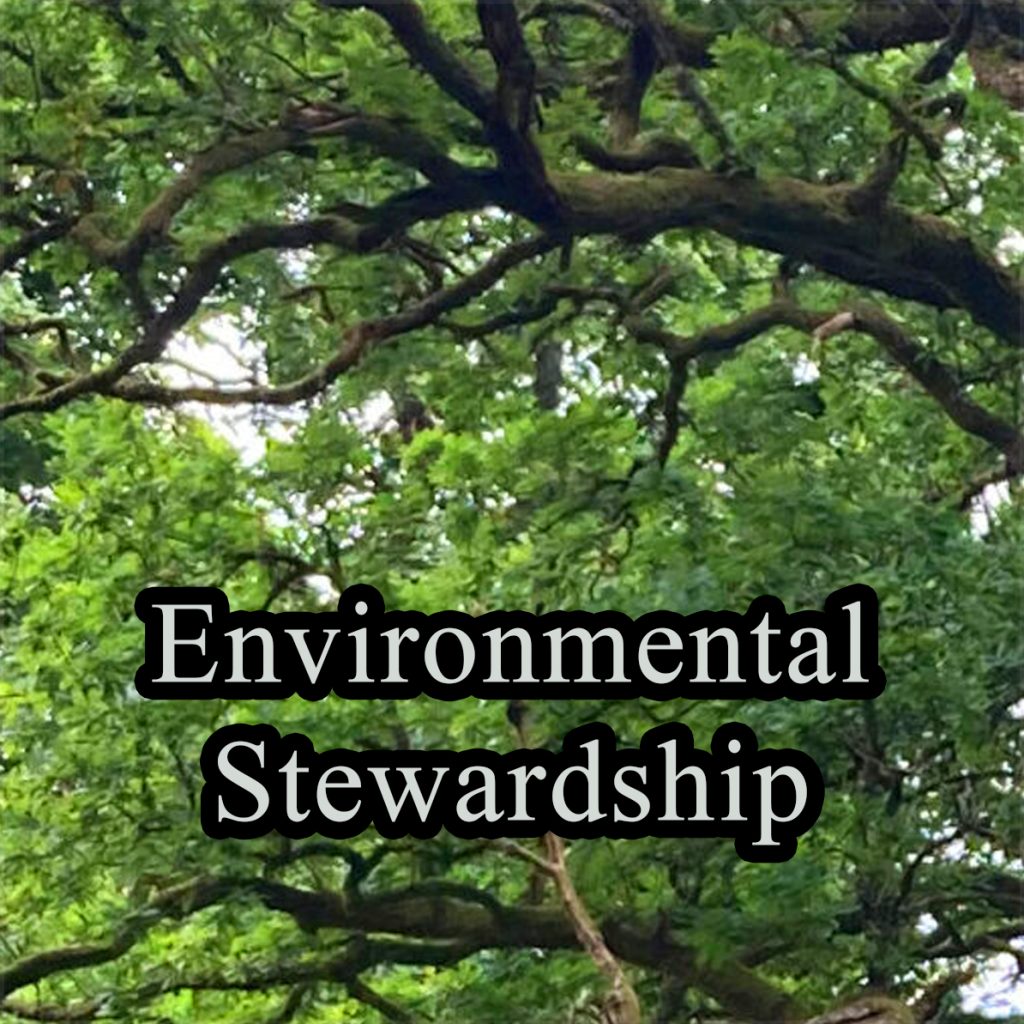
There are many trees (and oaks!) in Birnam and Dunkeld, but this one is known as ‘The Birnam Oak’. Why? This is the oldest surviving tree of the ancient ‘Birnam Wood’ that Shakespeare references at the end of Macbeth, and for centuries people have been coming to visit it. This tree is believed to be between 500 and 600 years old, and oaks can live up to 1,000 years. The picture below shows the Oak (right) and the neighbouring Birnam Sycamore (left) in 1867:

Image courtesy of Murthly Estate
The Birnam Oak is a sessile oak (Quercus petraea), also commonly known as an Irish oak. The sessile oak is the national tree of Ireland, and is also commonly associated with Cornwall and Wales. ‘Sessile’ also means stalkless, and this is a reference to the way these oaks grow their acorns. On these trees you’ll find the acorns attached directly to the twig at the base, whereas the pedunculate (English) oak’s acorns form on stalks (‘peduncle’ means stalk, making the presence or absence of stalks the primary way of identifying oak trees).
Oak trees support more wildlife than any other native tree in the UK: 326 species of wildlife are found exclusively on oak trees, and these trees provide habitats, food, and nesting supplies for many other creatures. Oak trees can support around 2,300 species total, including around 1200 invertebrates (though not on a single tree!).
Help us protect this tree: on the Birnam Oak you’ll see one major limb being supported by external supports. This is common for older oaks, though it’s also natural for oaks to drop their lower limbs as they age: this helps the trees conserve energy and ensure their continued survival. You can help protect this ancient tree by not climbing on it, and taking care not to disrupt any young saplings that surround it. Oaks are especially vulnerable when germinating and in their sapling stage.
Please help us grow the project by taking a short survey here
Or, visit one of our other pages: